WhatsApp



 Online Chat

 Inquiry

Language
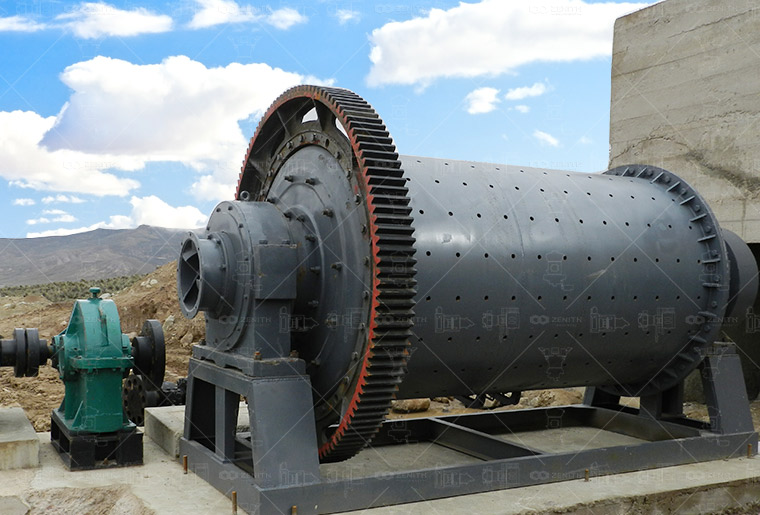
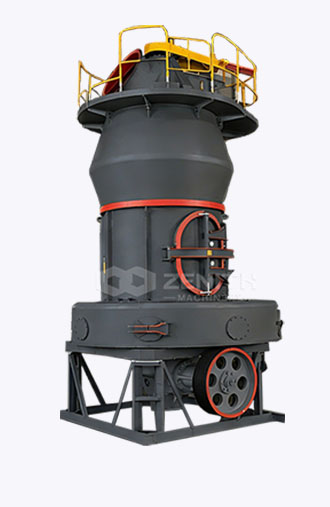
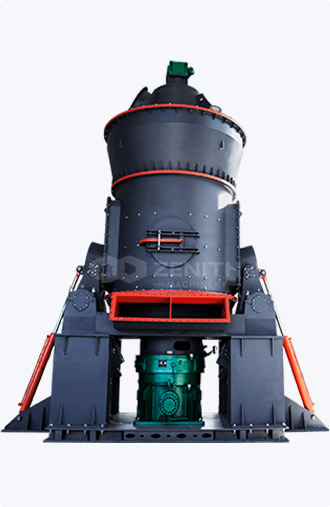
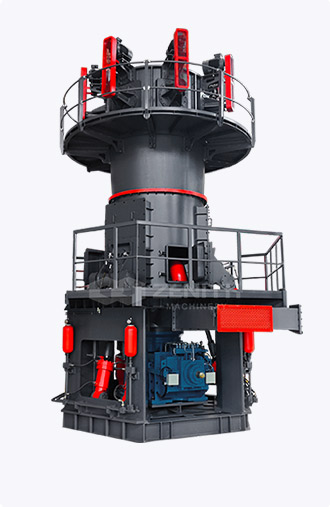
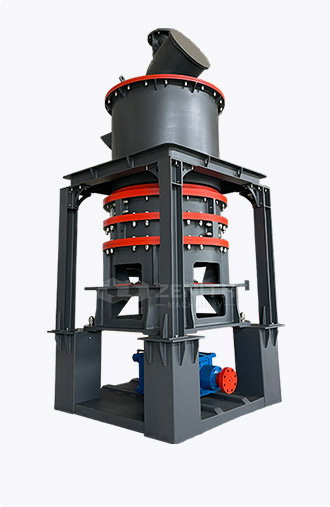
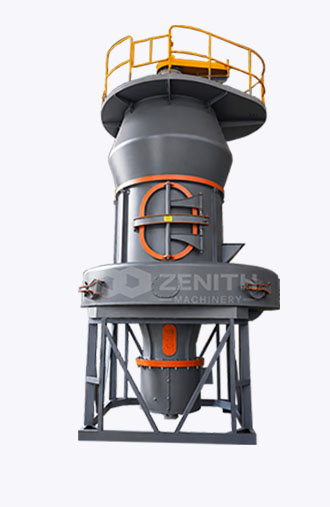
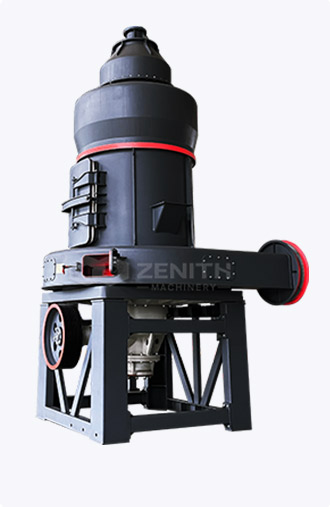
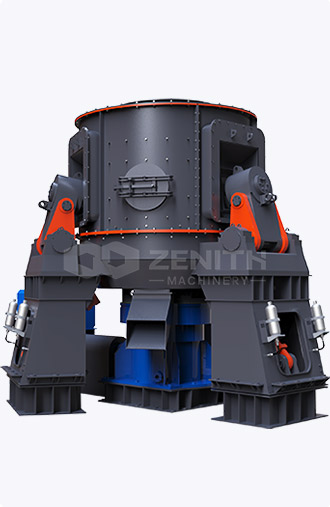
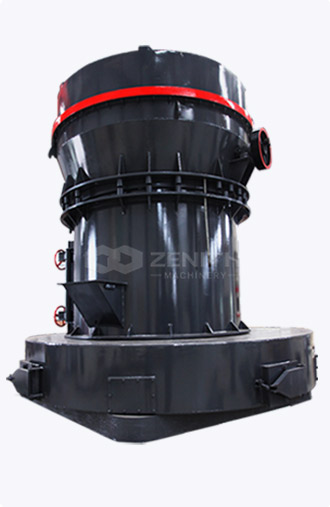
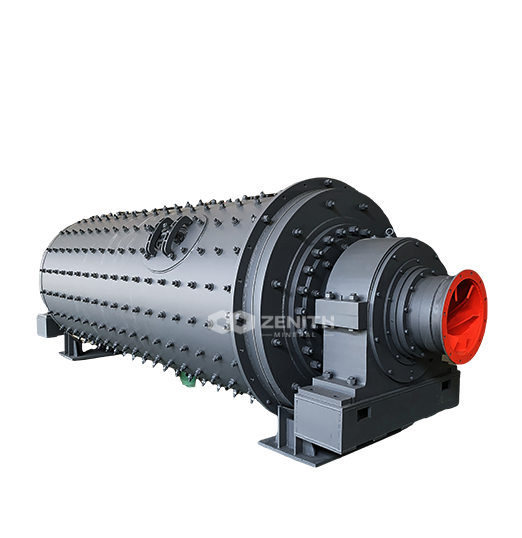
Ball Mills are mainly used in metallurgy, chemical industry, electric power, cement and other industrial and mining business to make all kinds of ores and other grindable materials by virtue of such characteristics as strong adaptability to raw materials, excellence in continuous production, high crushing ratio and easy to adjust the fineness of the finished product. An open or closed system can be set as required according to the production model, the dry and wet process production can be adopted or the grinding and drying operations can be completed at the same time.
Capacity: 0.65-450 T/H
Input Size: 0-25mm
Output Size: 0.074-3mm
 Product Data Download
The grinding ratio of ball mill can reach more than 300, and it is easy to adjust the fineness of the final products.
Ball mill has strong adaptability to raw materials and high production capacity, and it can meet the requirements of most of the raw materials.
This ball mill can be used in dry grinding and wet grinding.
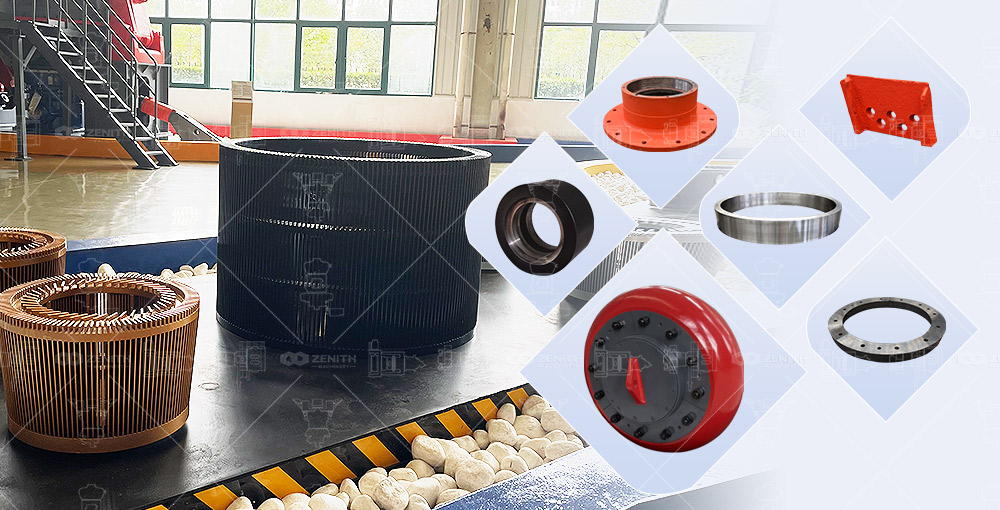
The hollow shaft in the mill is made of steel casting. The liner is detachable and wear-resistant.
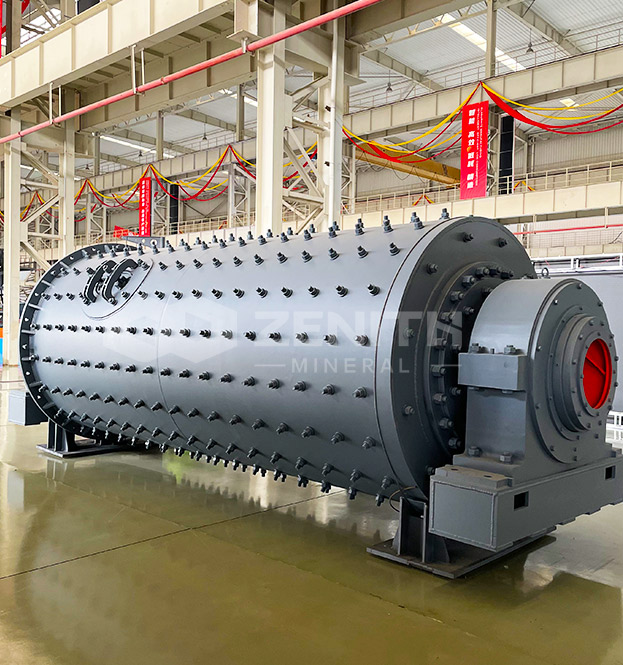
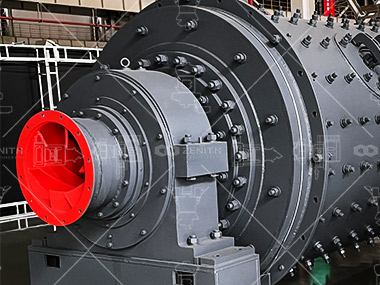
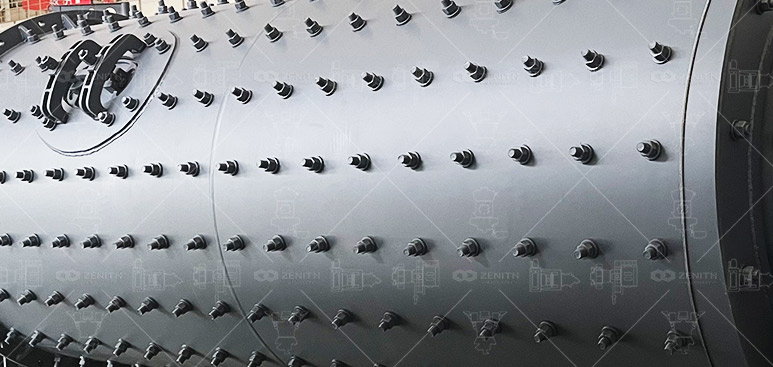
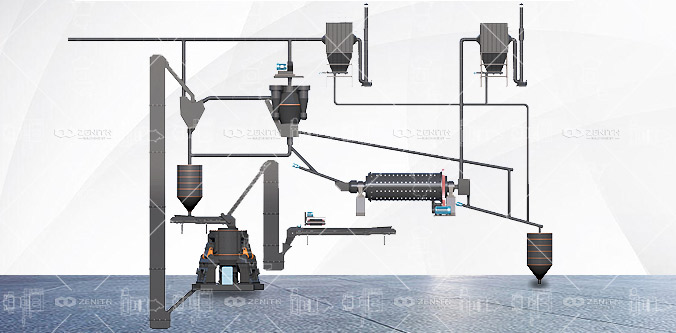
This mill is a cylindrical rotating device with a peripheral gear transmission. The raw materials enter the mill chamber uniformly through the feeder device and the feeding hollow shaft screw, there are lining plates and different specifications steel balls in the chamber, and the steel balls fall after being lifted to a certain height under the action of the centrifugal force produced by rotation of the cylinder to strike and grind the materials. After being ground, such materials will be discharged through the unloading grate plate as finished products, and thus the process of powder grinding completes.
The drive systems of ball mills mainly include two types: edge drive and central drive. Edge drive uses gear transmission, which is less costly. Central drive utilizes reducers for transmission, resulting in higher efficiency and more stable operation.
The automated control system enables one-click start/stop of equipment, real-time monitoring of operating parameters, automatic load adjustment, automatic fault detection and recording, as well as statistical analysis of production data. It’s easy to operate and highly reliable.
The rotational speed of the mill cylinder depends on factors such as the mill’s diameter, ball filling rate, and material properties. Typically, 65%-85% of the critical speed is used. Too high or too low a speed can affect the grinding efficiency.
The ball mill is a traditional and essential equipment for grinding cement clinker. It provides stable grinding results and consistent fineness of the finished product. It’s an indispensable component of cement production lines. When combined with a roller press, it forms a combined grinding system that helps reduce energy consumption.
The proportion of steel balls must be determined based on factors such as the hardness of the material, feed particle size, desired fineness, and drum rotation speed. Steel balls of different diameters are typically used in combination. Larger balls are used for impact crushing, while smaller balls are used for grinding. The optimal ratio can be determined through experimentation.
The production capacity of ball mills varies widely, ranging from 0.65 T/H to hundreds of T/H. Different models and specifications correspond to different capacities, enabling them to meet the needs of various applications, from small laboratories to large-scale mines and cement plants.
Fill your requirements in the following form, we will contact you as soon as possible.