WhatsApp



 Online Chat

 Inquiry

Language
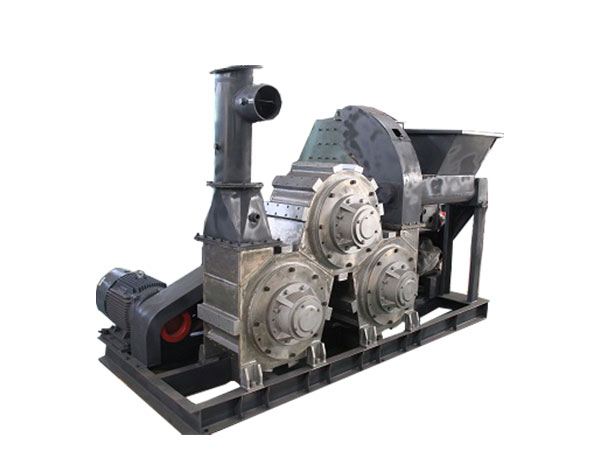
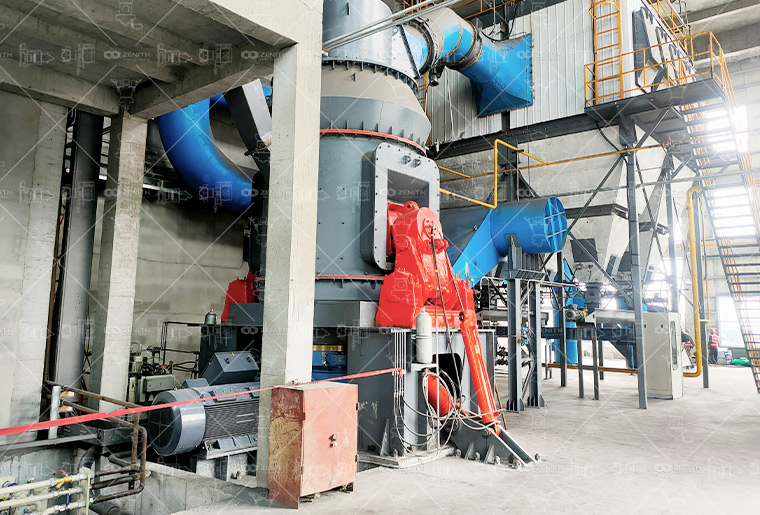
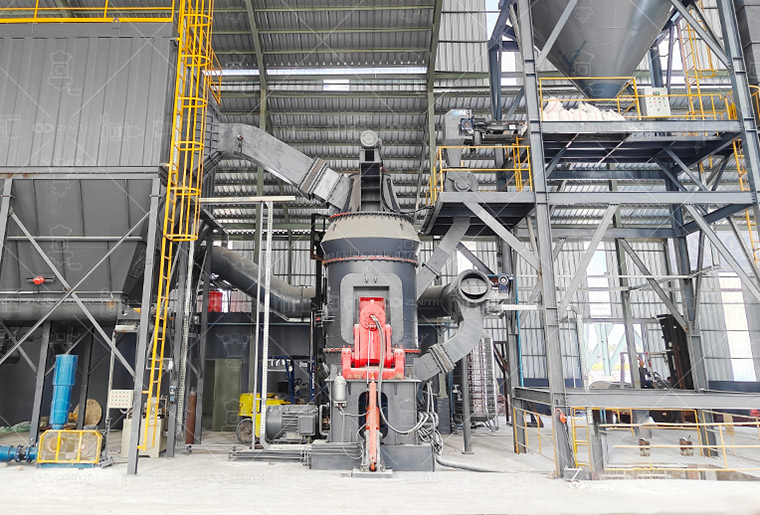
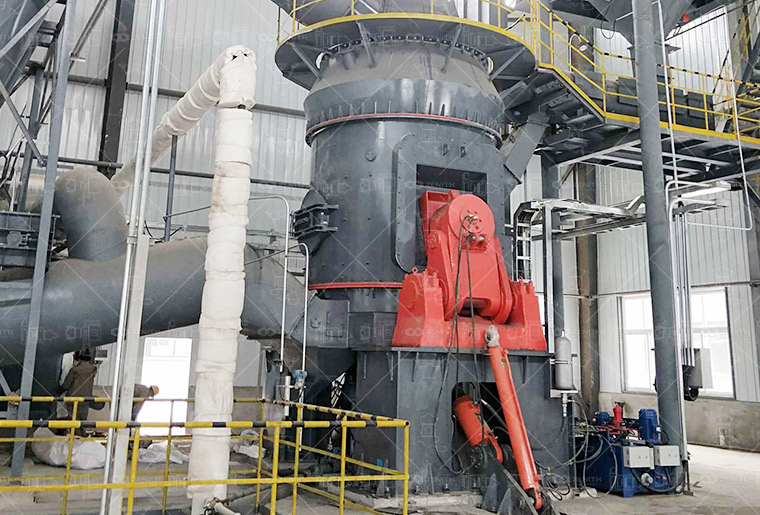
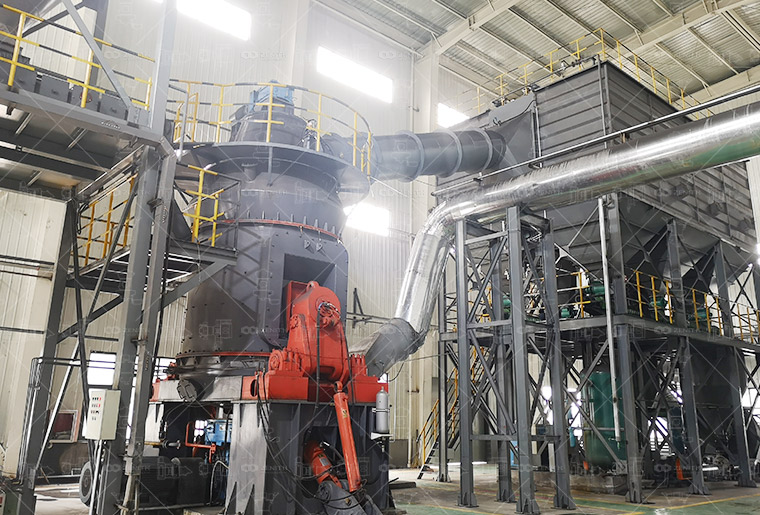
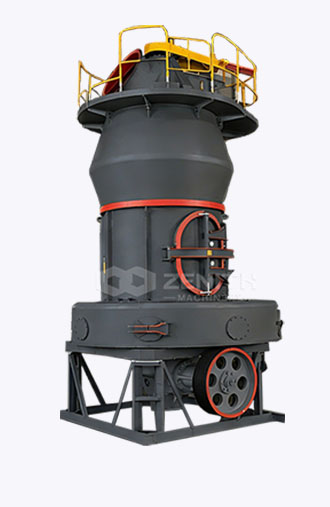
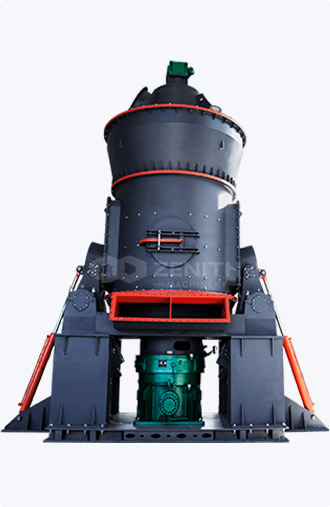
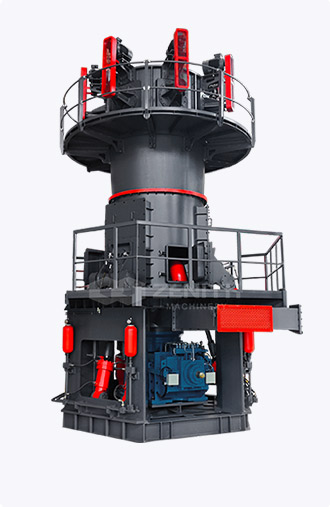
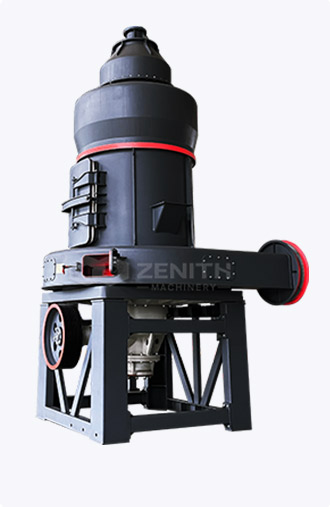
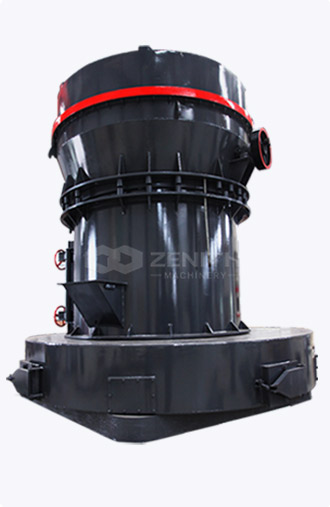
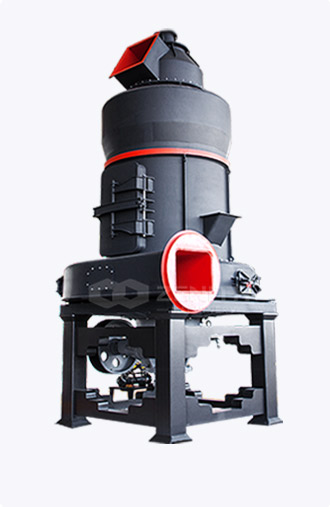
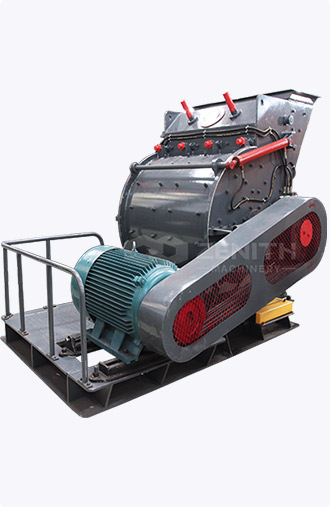
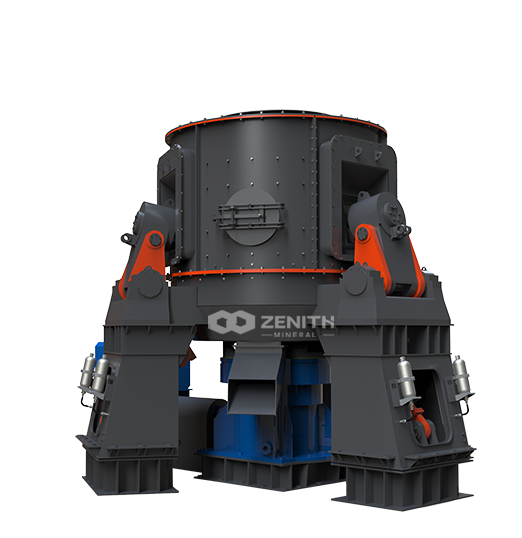
LM-Y series vertical pre-grinding mill is an advanced grinding equipment based on the technology of LM series vertical mill, extensively absorbing advanced technologies at home and abroad, and combined with the production processes of the cement industry, non-metallic minerals and other fields.
LM-Y series vertical pre-grinding mill is widely used in industries such as cement, electric power, metallurgy, chemical industry, non-metallic minerals, industrial milling stations, etc., such as pre-grinding of cement clinker, ceramic raw materials and other non-metallic mineral coarse powder preparation, sand making, etc.
Capacity: 6-330T/H
Input Size: <20mm
Output Size: <5mm
 Product Data Download
It integrates sand making and grinding, which can be used for making sand and can also be used as grinding equipment.
For making powder, the content of coarse and fine powder can be controlled and the quality is good. For making sand, the particle size of the sand is well graded and the particle shape is good.
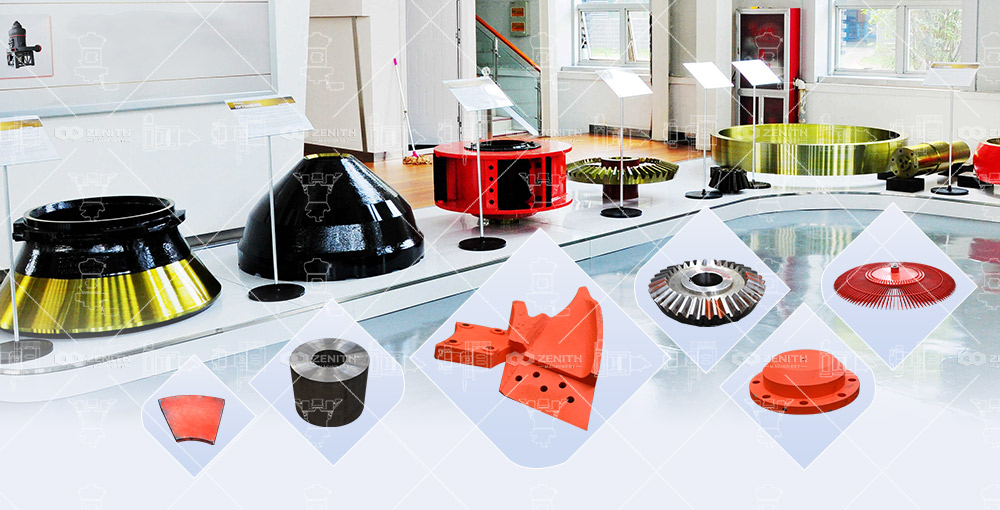
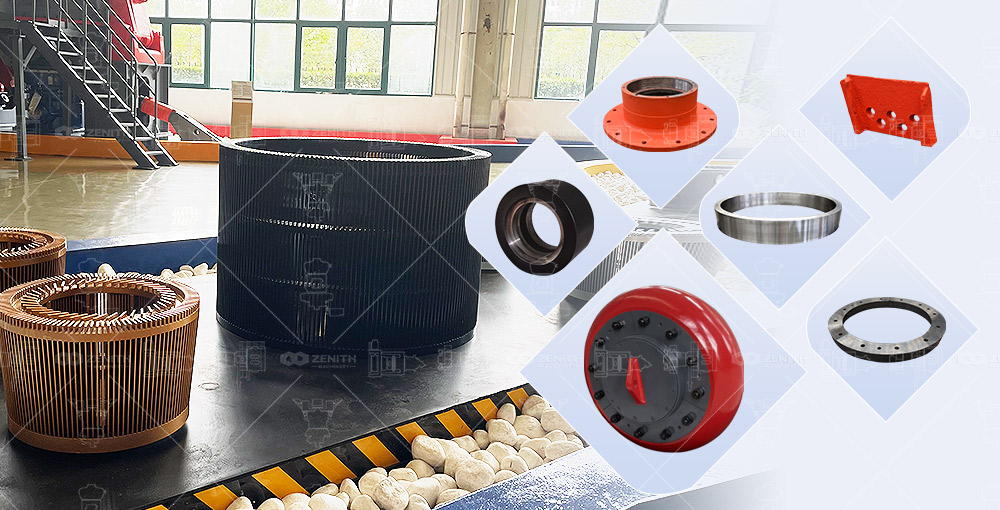
The core components are made of hard-wearing material to improve its performance and save cost.
It adopts hydraulic adjustment system and is suitable for materials of various strengths and hardness. The grinding roller can be flipped outside the machine, making it easy and quick to replace the roller sleeve and liner.
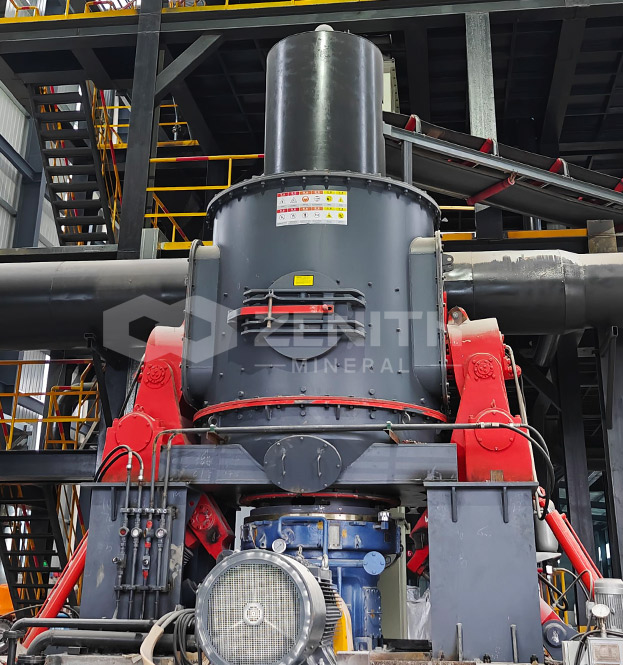
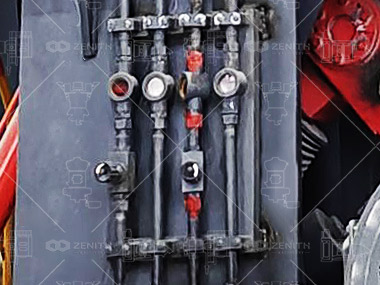
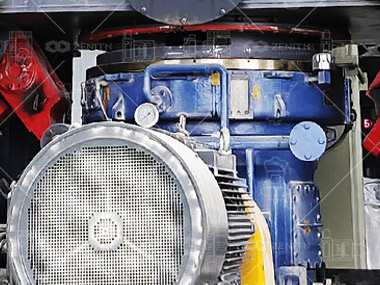
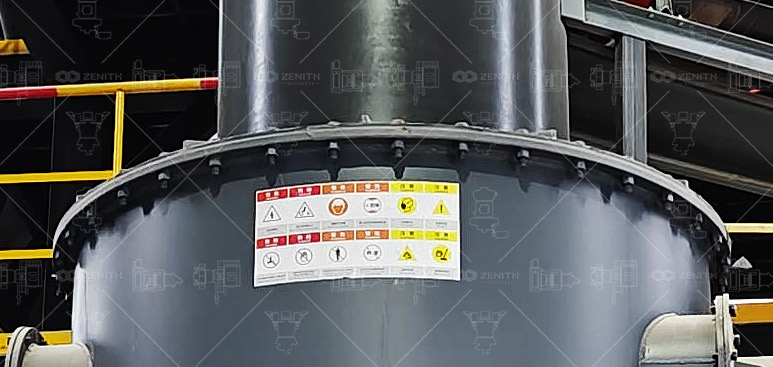
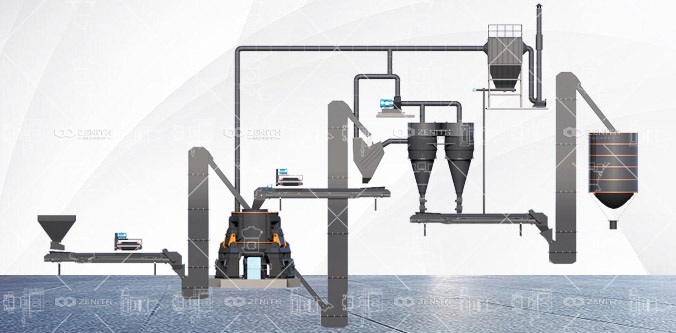
The main motor drives the grinding plate via the reducer, causing material to fall from the discharge port to the center of the grinding disc. Centrifugal force moves the material uniformly from the center to the edge, where large pieces are crushed and fine particles form a bed for inter-particle crushing. The crushed material is thrown out of the grinding disc, falls into the lower cavity, and is scraped to the discharge port by scrapers. It is then transported to sorting equipment, where coarse material is returned for re-grinding, and fine material is collected as finished product by the powder collector.
We offer customized EPC turnkey grinding engineering services, providing end-to-end guidance—from initial project initiation and process design to final commissioning—supported by a professional design institute team, thereby meeting the construction requirements for integrated sand and powder production lines.
Prioritize the investigation of the following three core causes: first, a wide variation in feed particle size combined with the presence of metallic foreign particles, which leads to instability of the material bed; second, a mismatch between the hydraulic loading pressure and the hardness of the material; third, an imbalance in the system's air flow rate, resulting in an excessively thin or thick material bed; these issues can be rapidly mitigated by adjusting the feeding rate, pressure, and air flow parameters accordingly.
Utilizing the material-bed extrusion crushing principle, this system achieves a grinding efficiency 1.65 times that of a ball mill, reduces power consumption by approximately 30%, and features high equipment integration—eliminating the need for multiple auxiliary units—thereby significantly lowering overall operational energy consumption.
It is widely used in applications such as the preparation of specialized aggregates for dry-mixed mortar, large-scale production of high-quality sand and gravel, pre-milling of ores in metallurgy and mining operations, preparation of pulverized coal for blast furnace injection, and resource recovery from industrial waste residues, spanning multiple industries including building materials, metallurgy, and chemical engineering.
The main motor drives the grinding disc to rotate, causing the material to enter the grinding roller compression zone under the action of centrifugal force. The material undergoes grinding via inter-particle crushing within the material bed; the crushed material is then graded by external classification equipment, with oversized particles recirculated for further grinding, ultimately yielding qualified sand powder.
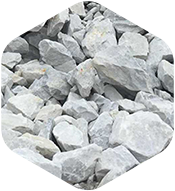
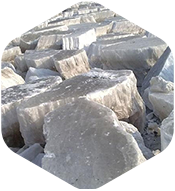
It is suitable for processing brittle materials with a Mohs hardness below 7, compressive strength below 260 MPa, and non-flammable, non-explosive, and non-corrosive properties; it covers dozens of common ores, including limestone, quartz, granite, coal gangue, dolomite, and others.
Fill your requirements in the following form, we will contact you as soon as possible.