WhatsApp


 Online Chat

 Inquiry


Language
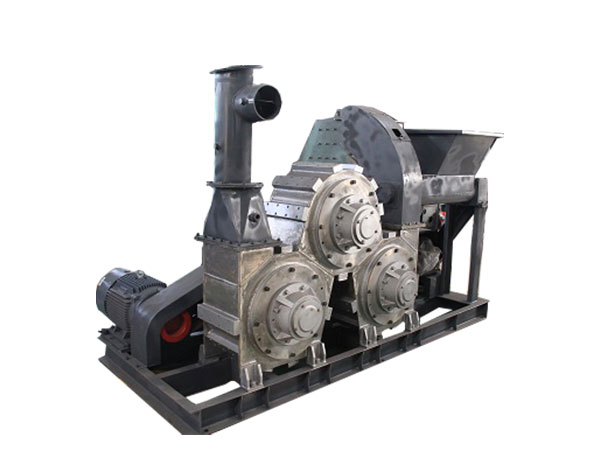
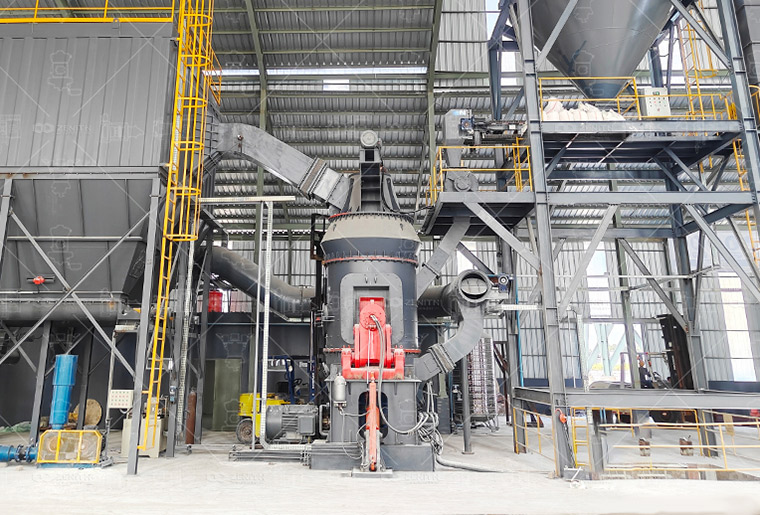
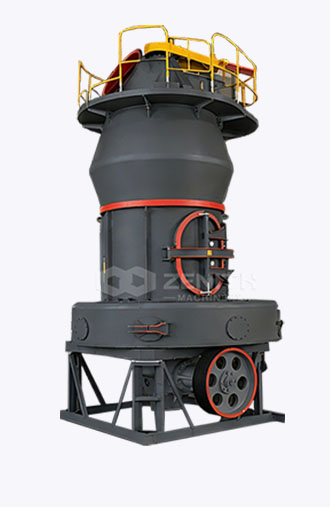
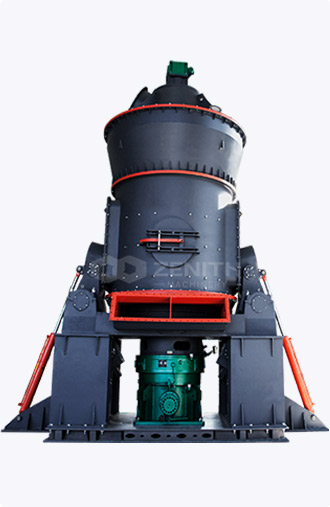
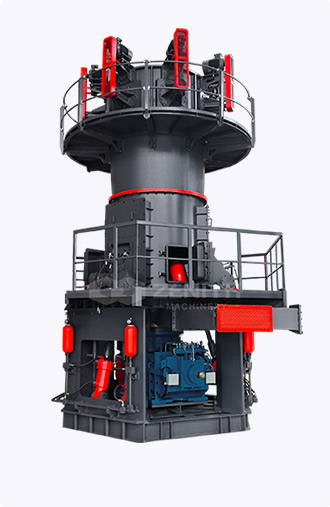
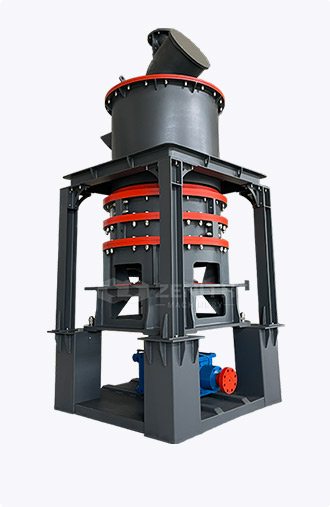
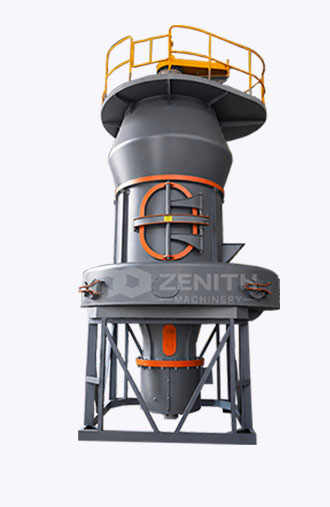
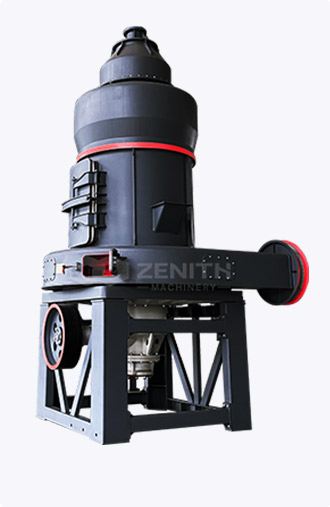
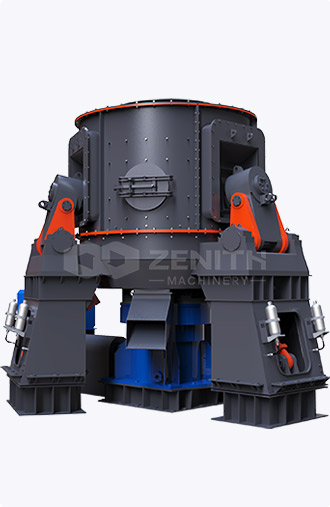
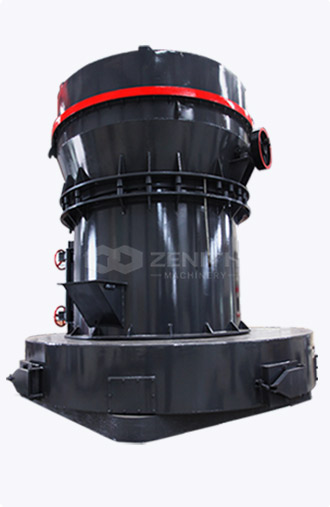
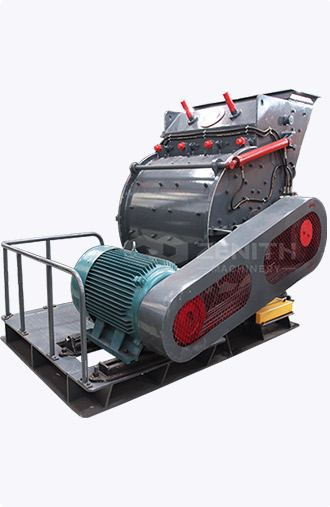
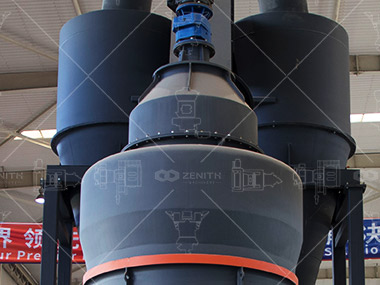
Raymond mill is suitable for preparation of various mineral powder and pulverized coal, also called high-pressure roller mill. After long-term research and development, ZENITH has developed the upgrading products of Raymond Mill. It can better meet current requirements.
Capacity: 1.2-11T/H
Input Size: 0-30mm
Output Size: 1.6-0.045mm
 Product Data Download
It is an independent product system from primary material to the final powder. However, it covers a small area.
Fineness of the final powder is well-distributed. 99% of them can pass through the screen while other grinding mills may fail to approach.
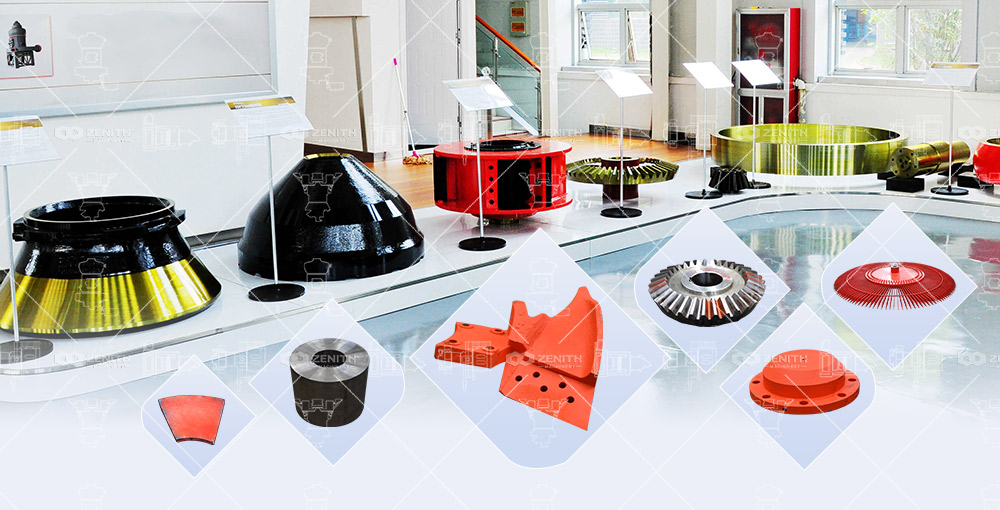
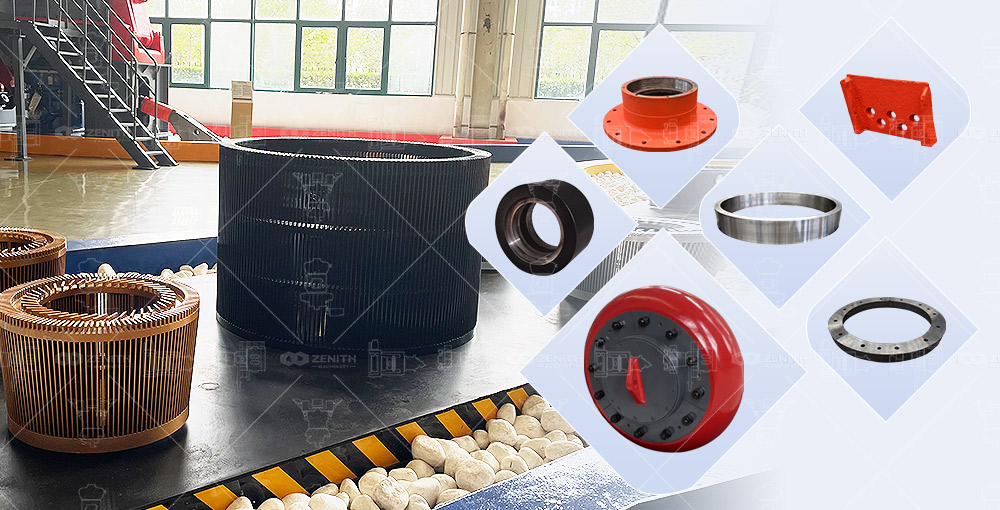
Important parts adopt high quality steel. Vulnerable parts adopt high quality abrasion-resistant material.
Its electric system adopts intelligent control, so the workshop can realize labor-free work and maintenance, further cutting the operation cost.

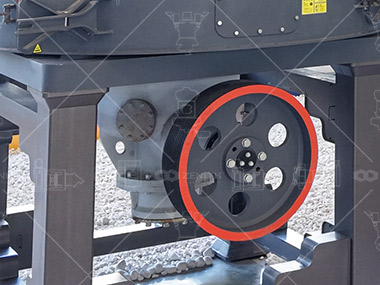
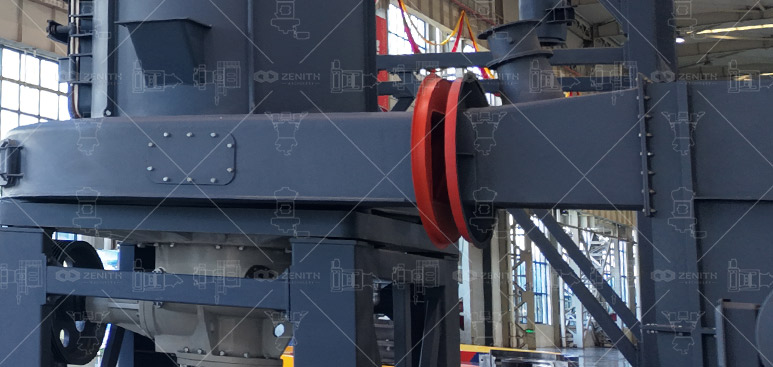
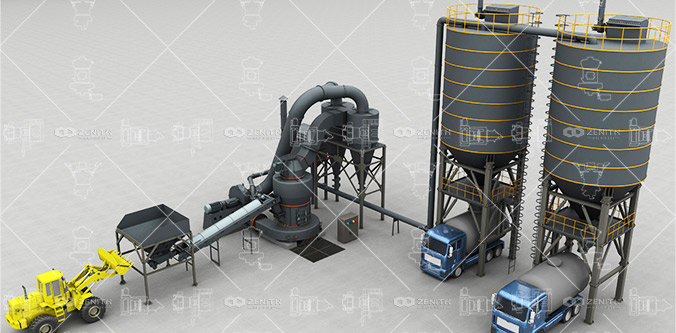
The materials to be ground are added into the machine from the feed hopper on the side of the machine cover. The grinding roller device suspended on the plum blossom frame of the main machine revolves around the vertical axis and rotates on its own. Due to the centrifugal force during rotation, the grinding roller swings outward and presses against the grinding ring, so that the scraper scoops up the materials and sends them to between the grinding roller and the grinding ring. The purpose of crushing the materials is achieved due to the rolling and crushing of the grinding roller.
Negative-pressure operation with dust collection effectively captures dust and controls leakage to meet conventional requirements; a well-maintained collector keeps workshop dust manageable.
Commonly loose anchors, uneven feeding, uneven roller/ring wear or shovel wear; checking these usually locates the cause quickly.
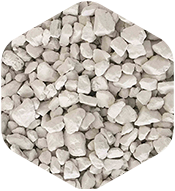
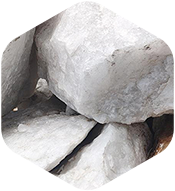
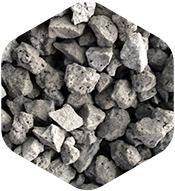
These low-hardness materials are a perfect fit, with stable output and low wear, a typical Raymond mill application.
With simple structure and direct transmission, the system is compact and economical in energy among similar equipment, keeping long-term power cost low for small-medium businesses.
For conventional fineness it is cost-effective and sufficient; for finer, more uniform product consider a higher-grade machine. Clarify fineness first.
Short fineness usually relates to roller/ring wear, uneven feeding or improper classification. Check wear parts, stabilize feeding and adjust classification to improve.
Fill your requirements in the following form, we will contact you as soon as possible.