WhatsApp


Carbon black is an amorphous carbon produced by incomplete combustion or pyrolysis of carbon-containing raw materials under oxygen-deficient conditions. It appears as a lightweight, loose, and extremely fine black powder.
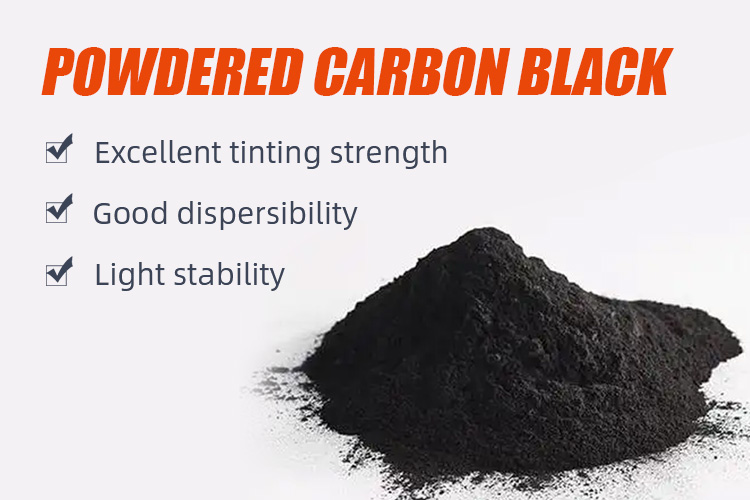
As one of the earliest nanomaterials to be industrially mass-produced by humans, carbon black is listed by the international chemical industry as one of the 25 basic chemical raw materials and high-end fine chemicals. It is widely used in rubber, plastics, inks, coatings, electronic components and other industries. To meet the stringent application requirements of various fields, carbon black needs to undergo deep processing such as grinding and modification to produce fine powders with qualified particle size distribution, structure, tinting strength and other indicators.
Classification of Carbon Black
According to application fields, carbon black can be mainly divided into two categories:
The first is rubber-grade carbon black, the mainstream product in the market. It can significantly improve the wear resistance and tear resistance of rubber materials, and is widely used in the production of rubber products such as tires and conveyor belts.
The second is specialty carbon black, including pigment carbon black, conductive carbon black, plastic-grade carbon black, as well as specialty carbon black suitable for food packaging, pharmaceutical carriers and other special fields. Relying on differentiated performance advantages, it meets the stringent requirements of high-end application scenarios.
Application of Carbon Black
As an important carbon-based functional material, carbon black plays an indispensable role in numerous industrial fields.
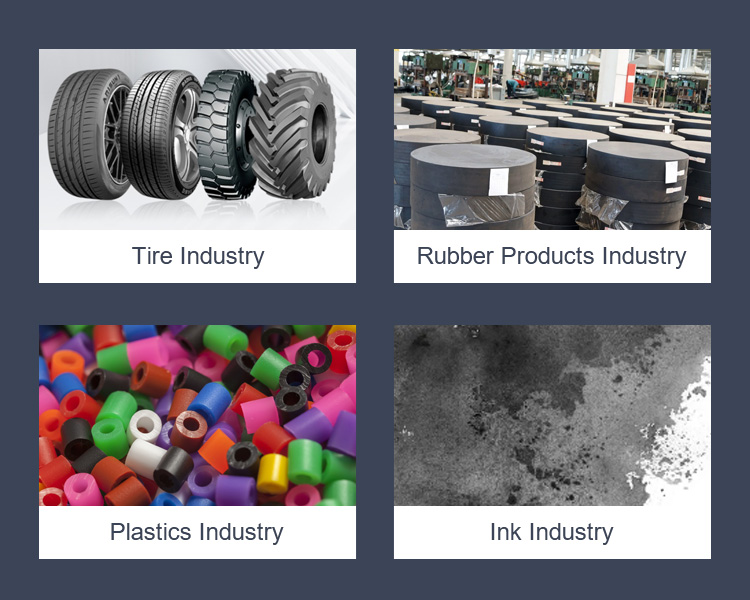
The rubber industry is the largest and most critical application area for carbon black. Adding carbon black to rubber tires can effectively improve their wear resistance, aging resistance, and puncture resistance, greatly extending service life and enhancing overall performance. Meanwhile, it reduces rolling resistance and improves fuel efficiency.
The plastics industry is also a major application sector for carbon black. Incorporating carbon black into plastic formulations optimizes the material’s physical properties, enhancing heat resistance, UV resistance, and impact strength.
The coatings and inks industry also has a huge demand for carbon black. In coatings, carbon black improves hiding power, weather resistance, and chemical corrosion resistance, making coatings more durable and aesthetically pleasing. In inks, carbon black enhances tinting strength, gloss, and printing performance. Its applications have expanded from traditional inks to emerging fields such as water-based coatings, UV inks, and metallic inks.
Equipment selection and technical advantages
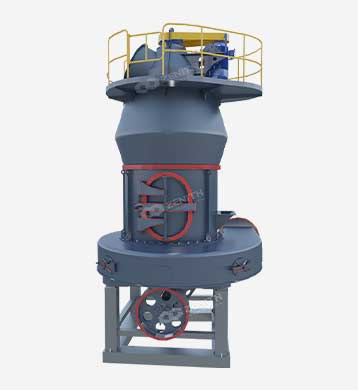
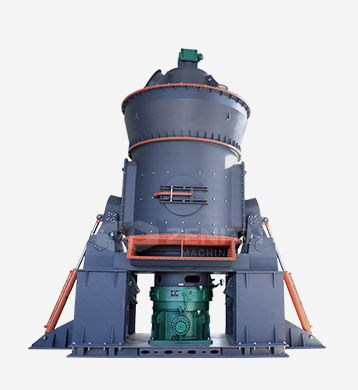
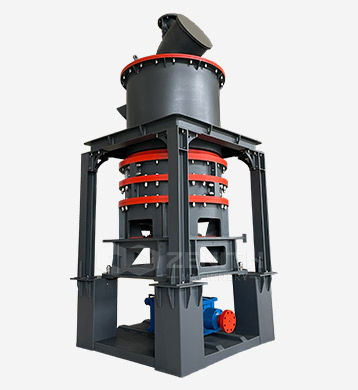
XZM Ultrafine Mill is a new-generation ultrafine powder grinding machine meticulously developed by Shanghai Zenith. Drawing on years of experience in R&D and manufacturing of grinding equipment, and integrating advanced Swedish mechanical manufacturing technology, it has been refined through long-term testing and continuous optimization.

High Efficiency & Energy Saving
Under the same finished product fineness and installed power, XZM Ultrafine Mill improves grinding efficiency by more than 40% and reduces energy consumption by 70% compared with traditional equipment such as jet mills and agitated mills.
Precise & Controllable Particle Size
Equipped with a new-generation high-efficiency cage classifier and variable frequency speed control technology, it enables convenient fineness adjustment and high classification accuracy. The finished particle size can reach d97 ≤ 5 μm in a single pass.
Stable & Reliable Operation
Rolling bearings and screw connections are eliminated inside the grinding chamber. This structurally eliminates equipment failures caused by vulnerable bearings and loose fasteners, ensuring more durable and stable operation.
Green, Clean & Eco-friendly
Fitted with a high-efficiency pulse dust collector and equipped with sound absorption and insulation facilities, it effectively controls dust and noise emissions. Its environmental protection indicators are far superior to national standards.